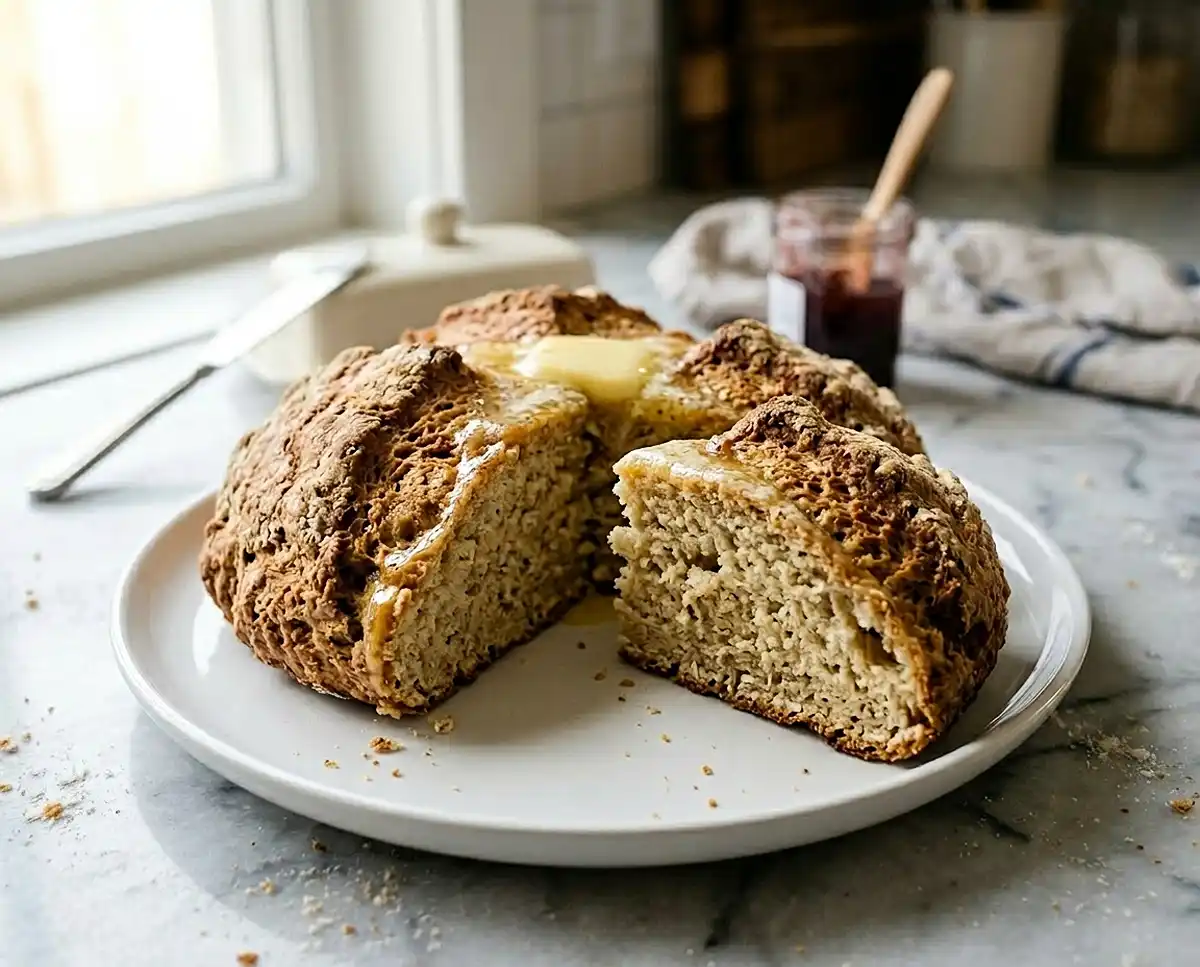
Mastering Soda Bread: The Buttermilk Secret for Soft, Tangy Loaves
There’s nothing quite like the aroma of freshly baked bread wafting through your home. For many, the thought of homemade bread conjures images of yeast, elaborate kneading, and hours of waiting. However, what if we told you there’s a magnificent, incredibly simple alternative that delivers a soft interior, a perfectly crisp crust, and a delightful tangy flavor, all in under an hour? Welcome to the wonderful world of soda bread, and its not-so-secret weapon: buttermilk.
Often overlooked in favor of its yeasted cousins, traditional Irish soda bread is a revelation for bakers of all skill levels. This isn't just a simple Soda Bread Recipe; it's a gateway to delicious, comforting bread that requires no yeast, no extensive kneading, and minimal fuss. It’s perfect to pair with hearty soups, savory stews, fresh salads, or simply enjoyed warm with a generous smear of butter and jam. Forget those dense, heavy loaves you might associate with the name; this recipe promises a tender crumb that will have you hooked from the very first bite.
The Buttermilk Magic: Unlocking Tenderness and Flavor
The true genius behind a truly exceptional soda bread lies in its star liquid ingredient: buttermilk. This isn't just a casual choice; it's the fundamental element that transforms simple flour, baking soda, and salt into a light, airy, and flavorful loaf. Buttermilk plays a dual role, acting as both a tenderizer and the essential activator for the leavening process.
First, let's talk science. Buttermilk is acidic. When combined with baking soda (bicarbonate of soda), it creates a chemical reaction that produces carbon dioxide bubbles. These bubbles are trapped within the dough, causing it to rise beautifully without the need for yeast. This is what makes soda bread a "quick bread" – its leavening happens almost instantly upon mixing. Without this acidic component, the baking soda wouldn't react properly, resulting in a dense, brick-like loaf.
Beyond its leavening power, buttermilk's acidity also works wonders on the gluten in the flour. Gluten, when overdeveloped, can make bread tough and chewy. The acids in buttermilk gently break down and tenderize the gluten, resulting in the remarkably soft and fluffy texture that distinguishes a superior soda bread. This is the secret to moving beyond the stereotype of a heavy, crumbly loaf and achieving one that offers the perfect balance of softness and chew.
Finally, and perhaps most deliciously, buttermilk imparts a distinctive, zesty tanginess that elevates the overall flavor profile of the bread. This subtle tartness complements both sweet and savory accompaniments, adding a layer of complexity that plain milk simply can't achieve. It’s this unique flavor that truly sets a well-made buttermilk soda bread apart.
Homemade Buttermilk: A Simple Substitution
Don't have buttermilk on hand? No problem! You can easily create a substitute at home that perfectly mimics the characteristic tang and acidity needed for this Soda Bread Recipe. This simple trick ensures you can always whip up a fresh loaf, even if your fridge isn't fully stocked.
To make 1 cup of homemade buttermilk:
- Measure out 1 tablespoon of fresh lemon juice or white vinegar.
- Pour the lemon juice or vinegar into a liquid measuring cup.
- Fill the rest of the cup with cold milk (any kind, dairy or non-dairy, will work, though whole milk yields richer results) until it reaches the 1-cup mark.
- Stir gently to combine the wet ingredients.
- Let the mixture sit for 5-10 minutes. You'll notice the milk starting to curdle slightly and thicken, which indicates it's ready to use. This curdling is exactly what you want, as it means the acid has begun to work its magic.
There you have it – quick, effective, homemade buttermilk, ready to transform your baking!
A Timeless Tradition: The History and Evolution of Soda Bread
The story of soda bread is deeply rooted in Irish history, emerging in the 1830s when bicarbonate of soda (baking soda) was first introduced to the United Kingdom. During a period of significant hardship and limited resources in Ireland, a need arose for simple, cost-effective recipes that could feed families using readily available ingredients. Traditional Irish soda bread was born out of necessity, requiring only four basic ingredients: flour, baking soda, salt, and sour milk (a precursor to buttermilk, which would have been common on farms).
Crucially, yeast was not a common household ingredient, nor was it always reliable or easy to work with in the variable conditions of Irish homes. The discovery that baking soda could leaven bread when combined with an acid (like sour milk) was revolutionary. This innovation meant that families could bake fresh bread quickly and consistently, providing a vital source of sustenance.
While historically a staple, the Soda Bread Recipe has evolved significantly over time. Today, many variations exist, often incorporating both wholemeal and white flour for a balanced texture, and sometimes enriched with additions like raisins, caraway seeds, or even cheese and herbs. The simplicity and ease of baking remain its enduring appeal. While it's famously enjoyed during St. Patrick's Day celebrations alongside dishes like corned beef and cabbage or colcannon, its comforting qualities make it a perfect companion for Perfect Irish Soda Bread: Soft & Crusty, Ideal for Soups & Dipping year-round. It's a testament to its humble origins that this simple loaf continues to bring joy to tables worldwide.
Your Essential Soda Bread Recipe: From Pantry to Perfection
Ready to experience the magic of homemade soda bread? This recipe is designed for ease and guaranteed success, proving that you can Bake Failproof Irish Soda Bread in Under an Hour – No Yeast!, delivering a golden-brown, crusty exterior and a delightfully soft, crumbly interior.
Ingredients:
- 250g (9oz) plain wholemeal flour
- 250g (9oz) plain white flour
- 1 teaspoon bicarbonate of soda (baking soda)
- 1 teaspoon salt
- 420ml (15fl oz) buttermilk (homemade or store-bought)
- Extra flour for dusting
Method:
- Preheat Your Oven: Start by preheating your oven to 200°C (400°F / Gas Mark 6). Preparing your oven in advance ensures even baking from the moment your bread goes in.
- Combine Dry Ingredients: In a large mixing bowl, thoroughly whisk together the wholemeal flour, white flour, bicarbonate of soda, and salt. The blend of flours offers a nice balance of rustic texture from the wholemeal and lightness from the white, while salt enhances all the flavors.
- Add the Buttermilk: Make a well in the center of your dry ingredients. Pour in the buttermilk. Using a wooden spoon or your hand, gently mix the ingredients together until they just come together to form a soft, shaggy dough. The key here is minimal mixing! Overworking the dough will develop the gluten too much, resulting in a tougher loaf. A slightly sticky dough is perfectly normal.
- Shape the Loaf: Turn the dough out onto a lightly floured surface. With floured hands, gently pat and shape the dough into a round, flat loaf, about 2 inches thick. Do not knead it.
- Score the Top: Transfer the loaf to a lightly floured baking tray. Using a sharp knife, cut a deep cross into the top of the dough. This traditional scoring serves several purposes: it helps the bread bake more evenly by allowing steam to escape, encourages a beautiful crust, and historically, it was believed to ward off evil spirits.
- Bake to Perfection: Place the baking tray in your preheated oven and bake for approximately 30-40 minutes, or until the loaf is beautifully golden brown on the outside and sounds hollow when tapped on the bottom.
- Cool and Enjoy: Once baked, remove the bread from the oven and transfer it to a wire rack to cool slightly. While it’s tempting to dive in immediately, allowing it to cool helps the crust set and prevents the interior from becoming too gummy.
Beyond the Basics: Tips for a Flawless Loaf and Serving Suggestions
To truly master your Soda Bread Recipe and ensure every loaf is a triumph, consider these expert tips:
- Resist the Urge to Overmix: This is arguably the most crucial tip for soda bread. A light touch is essential. Mix just until the ingredients are combined; a few lumps are fine. Overmixing develops the gluten, making your bread tough instead of tender.
- Flour Your Hands (Lightly): When shaping the dough, lightly flouring your hands will prevent sticking without incorporating too much extra flour into your bread.
- The Cross is Key: Don't skip scoring the cross! It's not just for tradition; it allows the heat to penetrate evenly and the gases to escape, leading to a better rise and texture.
- Tap Test for Doneness: The hollow sound when you tap the bottom of the loaf is the most reliable indicator that your soda bread is fully cooked through.
- Cooling Rack is a Must: Always cool your bread on a wire rack. This allows air to circulate around the entire loaf, preventing the bottom crust from becoming soggy and ensuring that crisp exterior.
- Experiment with Add-ins: While traditional soda bread is plain, feel free to get creative! Add a handful of raisins or currants for a slightly sweet version, a tablespoon of caraway seeds for a unique savory note, or even some shredded cheese and herbs for a delicious accompaniment to dinner.
Serving Suggestions:
The versatility of soda bread is one of its greatest assets. It’s truly magnificent when served warm, straight from the oven.
- With Soups and Stews: Its robust yet tender crumb is ideal for soaking up the rich broths of hearty stews like beef stew or creamy vegetable soups.
- Breakfast or Brunch: A slice toasted and slathered with butter and your favorite jam or marmalade is a simple, satisfying way to start the day.
- Alongside Savory Meals: It makes an excellent side dish for roasted meats, salads, or even as part of a Ploughman's lunch.
- As a Dipper: Use it to scoop up gravies, sauces, or even a flavorful olive oil dip.
Conclusion
Mastering soda bread is a wonderfully rewarding culinary journey that proves baking doesn't have to be complicated to be incredibly delicious. The simplicity of this Soda Bread Recipe, combined with the transformative power of buttermilk, delivers a soft, tangy, and endlessly versatile loaf that will quickly become a household favorite. From its humble historical origins to its modern-day appeal as a quick, yeast-free baking solution, soda bread stands as a testament to the magic that can be created with just a few basic ingredients. So, embrace the buttermilk secret, follow these steps, and prepare to enjoy the unparalleled satisfaction of a warm, fresh, homemade loaf straight from your oven.